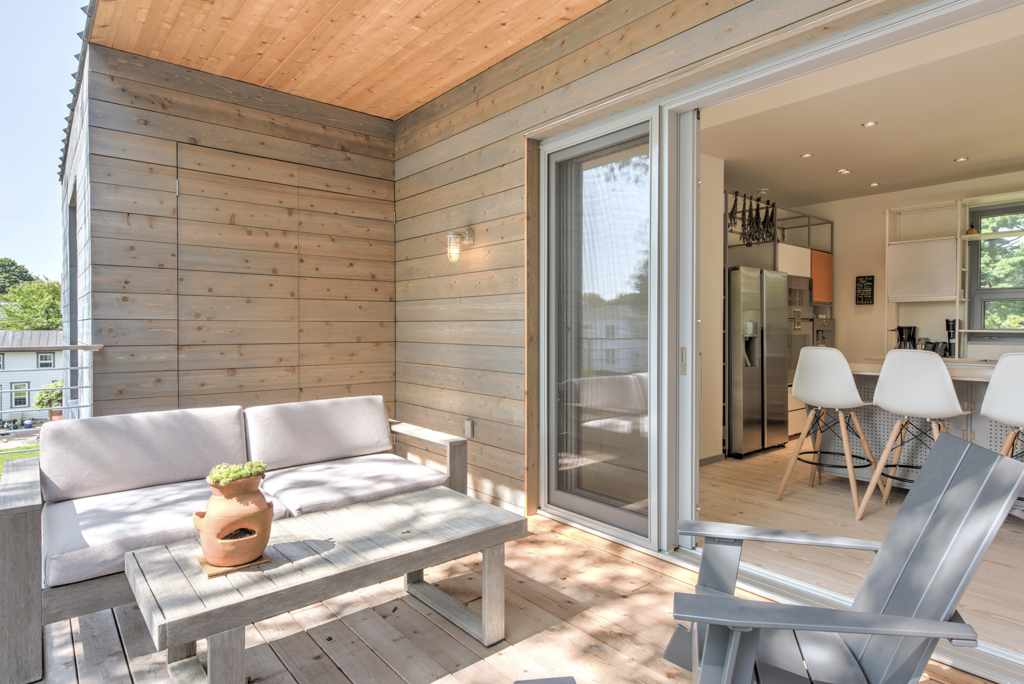
A lift-and-slide door that glides open with barely a touch is one of those details that makes a home feel genuinely well-built. When it stops feeling that way, the frustration is immediate. What separates a sliding door system that performs beautifully after a decade from one that starts sticking, leaking, or grinding within a few years comes down to a handful of interconnected factors: the quality of the components, the material of the frame, how precisely the door was installed, and how consistently it is maintained.
For architects specifying large-format sliding doors in high-end residential projects, understanding these factors matters well beyond the initial build. A smooth sliding door is not just a comfort feature; it reflects the integrity of the entire building envelope. This guide breaks down what actually drives long-term sliding door performance.
Hardware quality as the foundation of long-term performance
The hardware in a lift-and-slide door does the mechanical work every time the door is operated. Rollers, tracks, seals, and locking mechanisms are all subject to repeated load cycles, temperature shifts, and moisture exposure. Hardware that cannot handle these conditions will degrade quickly, regardless of how good the frame material is.
In a properly engineered lift-and-slide system, the active sash lifts off its seals when the handle is turned, allowing the full weight of the sash to roll freely along the track before being lowered back into a sealed position. This mechanism depends entirely on the precision and durability of the roller assembly. For large-format doors where sash weights can reach several hundred kilograms, only hardware rated for those loads will maintain consistent performance over time. Specifying hardware to match the actual door weight is not optional; it is what determines whether the system still operates correctly after years of use.
Corrosion resistance is equally relevant, especially in coastal or high-humidity environments. Stainless steel hardware with appropriate surface treatment performs significantly better in salt-air conditions than standard zinc-alloy components. This is a specification decision made at the design stage, and it cannot easily be corrected after installation.
How frame material affects durability and movement over time
Frame material has a direct effect on how a sliding door behaves across seasons and over years. Wood, aluminum, uPVC, and composite systems all respond differently to temperature changes, humidity, and UV exposure, and those responses affect alignment, seal compression, and ease of movement.
Wood frames expand and contract with changes in moisture content. This is a natural property of the material, not a defect, and well-engineered wood sliding door systems are designed to accommodate this movement. The key is using properly dried, dimensionally stable timber and ensuring that the profile design allows for controlled movement without affecting the seal geometry. When a wood sliding door is built to these standards, the material’s thermal performance and aesthetic qualities come without a functional compromise.
Wood-aluminum systems address the exterior exposure challenge directly. The aluminum outer shell protects the wood from weathering while the wood interior retains its warmth and structural properties. Because the aluminum profile is mounted independently onto the wood frame using flexible clips, the two materials can move at different rates without creating internal stress. This construction approach is particularly relevant for doors installed in climates with significant seasonal temperature swings, where the differential expansion between materials would otherwise create problems over time.
Installation precision and its effect on sliding door function
Even the best-specified door system will underperform if installation is not executed carefully. Sliding doors are large, heavy, and mechanically precise, which means small errors in the rough opening, leveling, or anchoring translate directly into operational problems.
The track must be perfectly level across its full length. Any deviation causes the sash to roll unevenly, placing asymmetric load on the rollers and creating resistance that worsens progressively. For wide openings, this requires careful attention during the structural phase, not just during door installation. The rough opening also needs to be dimensionally accurate; gaps that are too large require excessive shimming, which can introduce flex into the frame over time.
Proper sealing and flashing at the threshold and jambs are equally important. Water infiltration around the frame does not always show up immediately, but it accelerates wood movement, promotes mold growth, and can compromise the structural connection between the door frame and the wall. Installers experienced with large-format European sliding door systems understand these details; those unfamiliar with the product type often do not.
Maintenance routines that extend sliding door lifespan
Sliding door maintenance is straightforward when done consistently, and the effort required is modest compared to the cost of early component replacement.
Track and roller cleaning is the most basic task. Debris accumulates in the track channel and creates resistance that puts unnecessary load on the rollers. Clearing the track and wiping down the rollers a few times per year prevents most of the gradual performance degradation that homeowners mistake for hardware wear. For wood frames, periodic inspection of the exterior finish is important: any areas where the coating has cracked or worn away should be touched up before moisture penetrates the wood.
Lubricating the rollers and track according to the manufacturer’s specification keeps the mechanical components operating smoothly. The type of lubricant matters; silicone-based products are generally preferred over petroleum-based ones because they do not attract dust. Seal inspection is worth adding to the same maintenance schedule. Compression seals in lift-and-slide systems are designed to last many years, but visible cracking or deformation indicates that they should be replaced before they begin affecting weather performance.
Signs that a sliding door needs professional attention
Some performance changes can be addressed through routine maintenance, but others point to underlying issues that require professional diagnosis. Recognizing the difference saves time and prevents minor problems from becoming structural ones.
Increasing resistance when opening or closing, particularly if it develops gradually, often indicates track wear, roller degradation, or frame misalignment. If cleaning and lubrication do not resolve the issue, the hardware or frame geometry needs to be assessed. Drafts or visible condensation at the perimeter of the door suggest seal failure or frame movement that has opened gaps in the weather barrier. These are not cosmetic issues; they affect the thermal performance of the building envelope directly.
Visible gaps between the sash and frame, difficulty engaging the locking mechanism, or a sash that sits unevenly in the closed position all point to alignment problems. In wood systems, this can sometimes be seasonal, resolving as humidity levels stabilize. When it persists across seasons, professional adjustment is needed. Attempting to force a misaligned sash puts stress on the hardware and can cause damage that is more costly to repair than the original alignment issue.
How Bildau & Bussmann approaches lift-and-slide door longevity
Bildau & Bussmann manufactures large-format lift-and-slide doors in both solid wood and wood-aluminum configurations, built to order for architects working on high-end residential projects. The systems are designed from the ground up to address the performance factors covered in this article:
- Hardware specified for sash weights up to 600 kg, matched to the actual door dimensions
- Wood-aluminum construction with independently mounted aluminum profiles that allow natural material movement without compromising the seal geometry
- Rain- and wind-tightness ratings suitable for installation in hurricane-prone coastal regions
- Passive House standard thermal insulation values, with thermally separated aluminum profiles improving Uf performance
- Corner configurations and pocket-wall designs available for architecturally demanding projects
- Every element custom-built to the architect’s specifications, with full support from initial concept through installation
For architects specifying sliding door systems in demanding climates or high-performance buildings, the combination of material quality, engineering precision, and long-term support matters as much as the initial specification. To discuss a project or request technical documentation, contact the Bildau & Bussmann team directly.
Ähnliche Artikel
- Was bestimmt, wie lange eine Holz-Aluminium-Schiebetür hält
- Co decyduje o tym, ile miejsca w ścianie potrzebują przesuwne drzwi chowane
- Wie Eckschiebetüren in Regionen mit starkem Wind abschneiden
- Wohnen zwischen Innen und Außen in einem Berghaus gestalten
- Why a Low Threshold Changes the Indoor-Outdoor Transition